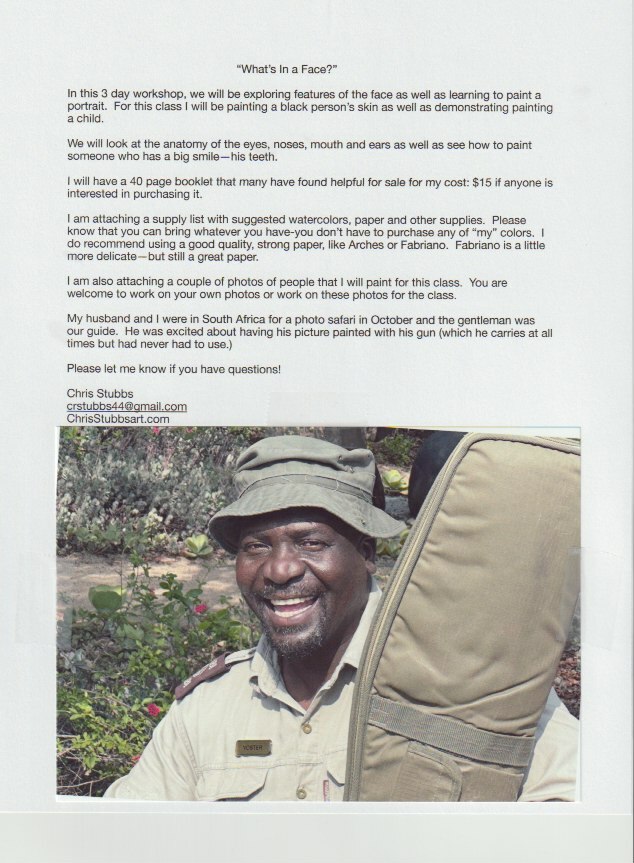
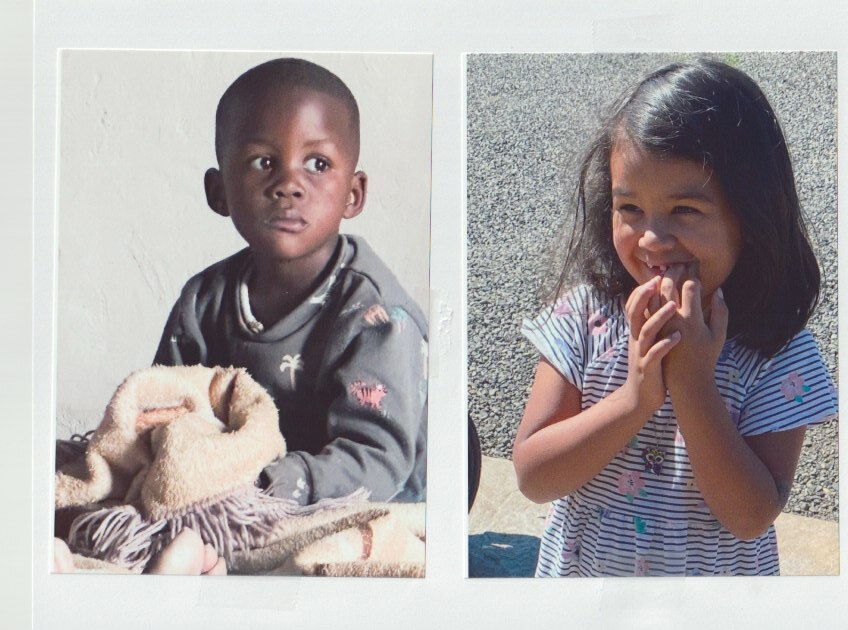
We will be working with adults or children—your choice. One of the persons I will demonstrate will have black skin so we’ll be talking about how to paint dark skin. As we get closer, I’ll send some photos you can work from if you choose.
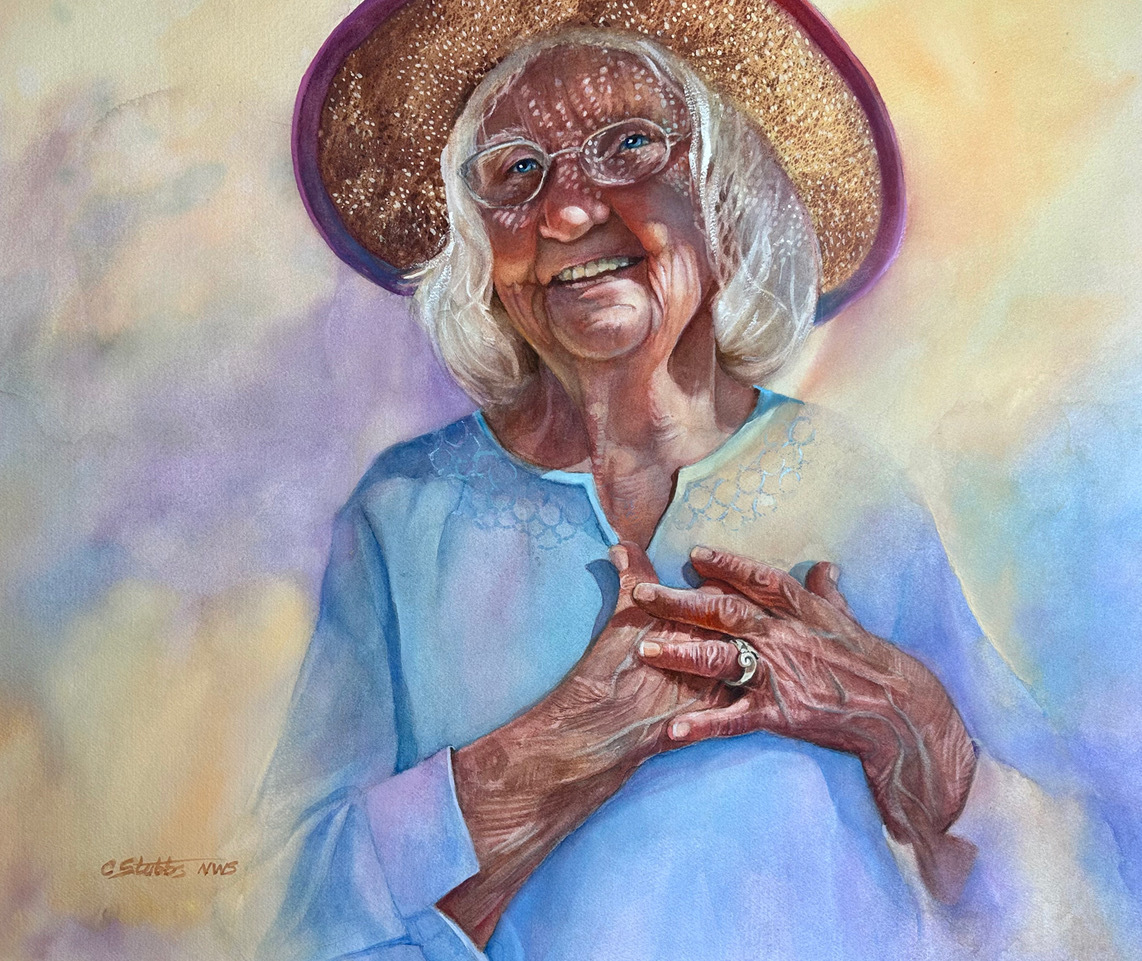
Preparing for Class
Have an idea of what you would like to paint and bring at least 1 or 2 drawn images on your watercolor paper. I recommend working on a half sheet if possible, quarter sheet at the smallest. We will practice drawing and painting features first.
Once I have the class list, I will also have send some images of people that you can use at the workshop. And I will bring my Artograph projector for you to use if you would like. You will need digital images for the projector.
Notes
I will have a 40 page “booklet” for sale for $15 (my cost) if you are interested. It shows a lot of anatomy and tips and tricks for painting faces and features.
Any Questions? Please email me: crstubbs44@gmail.com
I look forward to seeing you!
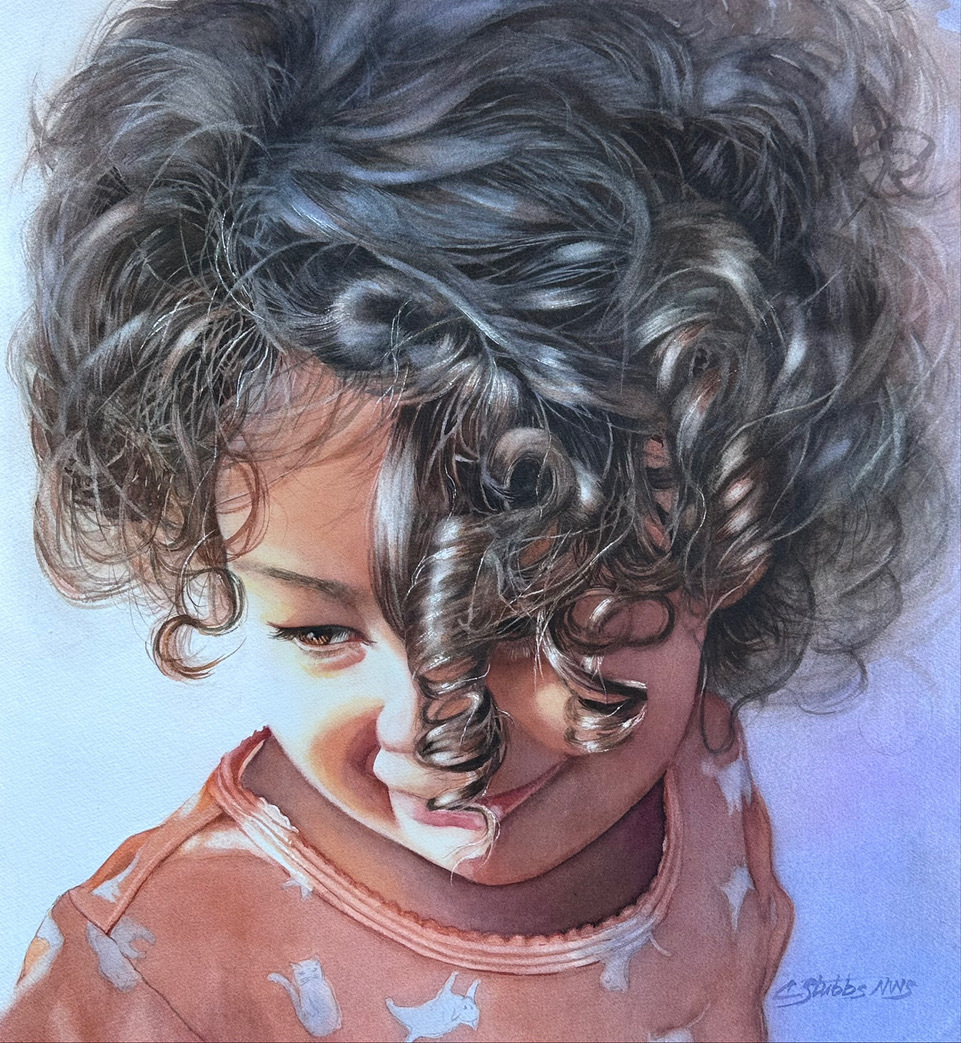
Supply List
Watercolors
Please feel free to use what’s on your palette—I will put an asterisk beside and bold the colors that are important for me. I am usually pretty specific about brands that I indicate, but please don’t feel you have to buy all paint that I put on this list. ??
Brands: WN=Winsor Newton
DS=Daniel Smith
MG= M. Graham
H= Holbein
QOR watercolors
*Winsor Yellow, Azo Yellow Light or Permanent Yellow Light (on the cool side)
*New Gamboge (or a warm yellow)
Permanent Orange (DS)
*Cadmium Scarlet (WN) (a small tube works)
*Quinacridone Coral (DS) OR Naphthol Red (MG)
*Permanent Rose WN or DS (Quin. Rose) (for skin tones)
Permanent Alizarin Crimson
Perylene Maroon (DS)
*Cobalt Blue I have been using Michael Harding Cobalt Blue—it doesn’t granulate.)
*Indanthrone Blue (DS or WN) (for creating darks in hair, skin)
French Ultramarine Blue
*Hookers Green
*Raw Sienna (WN)—other brands are brownish and dull—I use for skin tones
*Burnt Sienna (H)
Neutral Tint
*Quinacridone Sienna (DS)
*Quinacridone Burnt Orange (DS)
Quinacridone Burnt Scarlet (DS)
Quinacridone Gold (I use Michael Harding brand)
Cobalt Teal Blue
Winsor Blue RS (very staining)
Antwerp Blue (WN) (compare to Winsor Blue GS—but Antwerp blue doesn’t stain)
Ultramarine Turquoise (DS)
*Transparent Pyrrole Orange (DS or QOR)
Paper
Use a good quality watercolor paper—I find that sheets work better than watercolor blocks. I use Arches 140# CP or Arches 300# CP or Fabriano Artistico 300# CP. Bring several sheets of the size you prefer to work on and some smaller practice sheets.
Brushes
You don’t need to buy anything new unless you want to try these. I have recently become enamored with the filberts.
*I recommend a #6 or #8 round and a #12 round. Bring a small synthetic round around a 4 or 6 for small areas. I really like Escoda Perla brushes (gray handle, synthetic)
Princeton Neptune #8 Quill—This is a relatively inexpensive brush and acts like a large sable. I love it. You will need a large brush for backgrounds
Cat’s tongue or Filbert w/c brushes: DaVinci Casaneo #’s 12 and 16 are really nice brushes and Princeton filbert #’s 6 and 8 are nice (smaller).
Monarch BRIGHT by Winsor Newton #’s 4 or 6 or 8. These are acrylic/oil (long handle) badger hair brushes and I use them to lift or scrub areas in my paintings. They are the best I have found. Both Dick Blick and Merriartist carry them.
Other Items
Bring your standard paper towels, palette, backing board, water holders, pencils etc.
Notebook or sketchbook
Duralar .005 matte film (medium weight) or vellum (Staples has this) or good quality tracing paper to work out your paintings ahead of time. You may also want to bring a few sheets of Duralar .004 wet media film.
Masking Fluid (I use Pebeo because it’s thinner.)
Ruling Pen: This is a great way to apply very thin lines of masking fluid for whiskers, hair, etc. Amazon carries: https://a.co/d/j35puqk